- Organizing Organization: Carbon to Sea, a nonprofit research and development initiative focused on studying Ocean Alkalinity Enhancement and evaluating its safety, effectiveness, scalability, and potential for permanent carbon dioxide removal.
- Field: Scientific and technical research related to Ocean Alkalinity Enhancement and carbon dioxide removal.
- Track 1: A global field research network designed to strengthen real-world research at different locations around the world.
- Track 2: Targeted research and innovation, including:
- Research on the effects of natural sediment alkalinity on carbon removal efficiency.
- Innovation in new or improved sources and methods for producing and processing alkalinity used in OAE.
- Types of grants under the field research track:
- Research Site Exploration: USD 30,000–100,000.
- Research Site Development: USD 500,000–1 million.
- Field Research: USD 500,000–1 million.
- Network Participation: USD 20,000.
- Total funding for the field research track: Up to USD 5 million in total.
- Total funding for the targeted research and innovation track: Up to USD 1 million in total, distributed across the two specified research topics.
- Project Duration: Projects may last up to 36 months.
- Location: Global. There are no geographic restrictions on applicants. The location of project implementation depends on the proposed research.
- Application Process: The application process takes place in two stages. First, applicants submit a short preliminary proposal. Selected applicants are then invited to submit a full proposal for expert scientific review.
- Preliminary Proposal: For most grant types, the preliminary proposal should not exceed 1,750 words and should include the project summary, expected outcomes, methodology, site, team, partners, project readiness, risks, and budget.
- Preliminary Proposal Deadline: September 30, 2026, at 11:59 PM Eastern Time.
- Second Stage: Applicants selected during the first stage will be invited to submit a full proposal.
- Expected Full Proposal Deadline: December 15, 2026.
- Expected Funding Decision: February 2027.
- Expected Project Start: February 2027.
- Application Fees: No application fee is specified on the website.
- Eligible Project Costs: Funding may cover personnel, equipment, materials, analyses, travel and accommodation, vessel hire, relevant events and meetings, and other direct project expenses.
- Indirect Costs: These may be included but are generally limited to 15% of the total project budget unless otherwise approved in writing.
- Language: The website does not specify English as a formal standalone eligibility requirement. However, the application form and published opportunity documents are in English, so applicants should prepare their applications according to the requirements and templates provided by the organization.
- Data: Funded projects are expected to publicly share research data, generally within 3–12 months after project completion, depending on the nature of the data and analysis.
- Open Research: Funded projects must provide public scientific value and contribute to open knowledge. Funding cannot be used for political lobbying or directly supporting carbon-credit issuance activities.
Publish Date
9/27/2026
Application Deadline
9/30/2026
Opportunity Type
Scholarships
Publisher
Foras Khadra
Available Countries
All World, The Arab World, Palestine, Jordan, Syria, Lebanon, Iraq, Saudi Arabia, Kuwait, Qatar, Bahrain, United Arab Emirates, Oman, Yemen, Egypt, Sudan, Libya, Tunisia, Algeria, Morocco, Mauritania, Djibouti, Somalia, Comoros
Description
Carbon to Sea is launching a global call for research proposals aimed at advancing the scientific, technical, and social understanding of Ocean Alkalinity Enhancement (OAE) as a potential carbon dioxide removal approach. The call focuses on generating real-world evidence to assess the safety, effectiveness, and potential scalability of OAE in a responsible manner.
The opportunity includes two main tracks: the establishment of a global network of field research sites and targeted research and innovation addressing specific scientific and technical questions related to sediment alkalinity and alkalinity sources.
The call is intended for universities, research institutions, nonprofit organizations, companies, researchers, laboratories, scientific consortia, and other organizations capable of carrying out the proposed research and development activities.
Details
Eligibility Criteria
- The principal applicant must be formally affiliated with an eligible organization, such as:
- A research institution.
- A university or academic institution.
- A registered company.
- A nonprofit organization.
- Another comparable organization legally capable of receiving funding and implementing the proposed activities.
- There are no geographic restrictions on applicants.
- Multiple institutions may participate in the same proposal.
- The lead institution must be capable of receiving the full grant amount and distributing portions of the funding to partner institutions when necessary.
- The applicant or research team must have appropriate scientific or technical capabilities for the selected grant type.
- For research site exploration grants, applicants may include organizations, scientists, local community members, or managers of relevant marine infrastructure, provided that they have a clear hypothesis and plan for assessing the suitability of the site.
- Research site development grants are intended for project leaders who can demonstrate the scientific value of the site and have a development strategy, an understanding of research operations, and knowledge of permitting requirements.
- Field research grants are intended for owners or operators of research sites who have the necessary permits, permits in progress, relevant infrastructure, and the required support to conduct an OAE experiment.
- Network participation grants are intended for scientists working at academic institutions, nonprofit organizations, research centers, and OAE project developers who have completed previous research or received funding for an upcoming experiment.
- Under the targeted research and innovation track, sediment alkalinity grants target researchers, laboratories, and scientific consortia with the capabilities required to study sediments, alkalinity fluxes, and sediment modeling.
- The alkalinity innovation grant is open to researchers, laboratories, companies, organizations, and scientific consortia with demonstrated expertise and capabilities in addressing the specified research gaps.
- Applicants must comply with all relevant local and international laws and regulations and obtain the required permits before starting activities that require them.
- Applicants must comply with the initiative's data management and environmental monitoring requirements where applicable.
Opportunity Benefits
- Research funding of up to USD 5 million in total for the field research network track.
- Funding of up to USD 1 million in total for the targeted research and innovation track.
- Individual grants ranging from USD 30,000 to USD 1 million, depending on the type of grant, in addition to the USD 20,000 network participation grant.
- Potential coverage of personnel, equipment, materials, analyses, travel, accommodation, vessel hire, and other direct project-related costs.
- Participation in the Global Ocean Alkalinity Enhancement Field Research Network for projects funded through the field research track.
- Opportunities to exchange best practices with researchers and experts in engineering, research, regulatory matters, and community engagement.
- Engagement with global research priorities and key open scientific questions in the OAE field.
- Greater visibility within the international OAE research community.
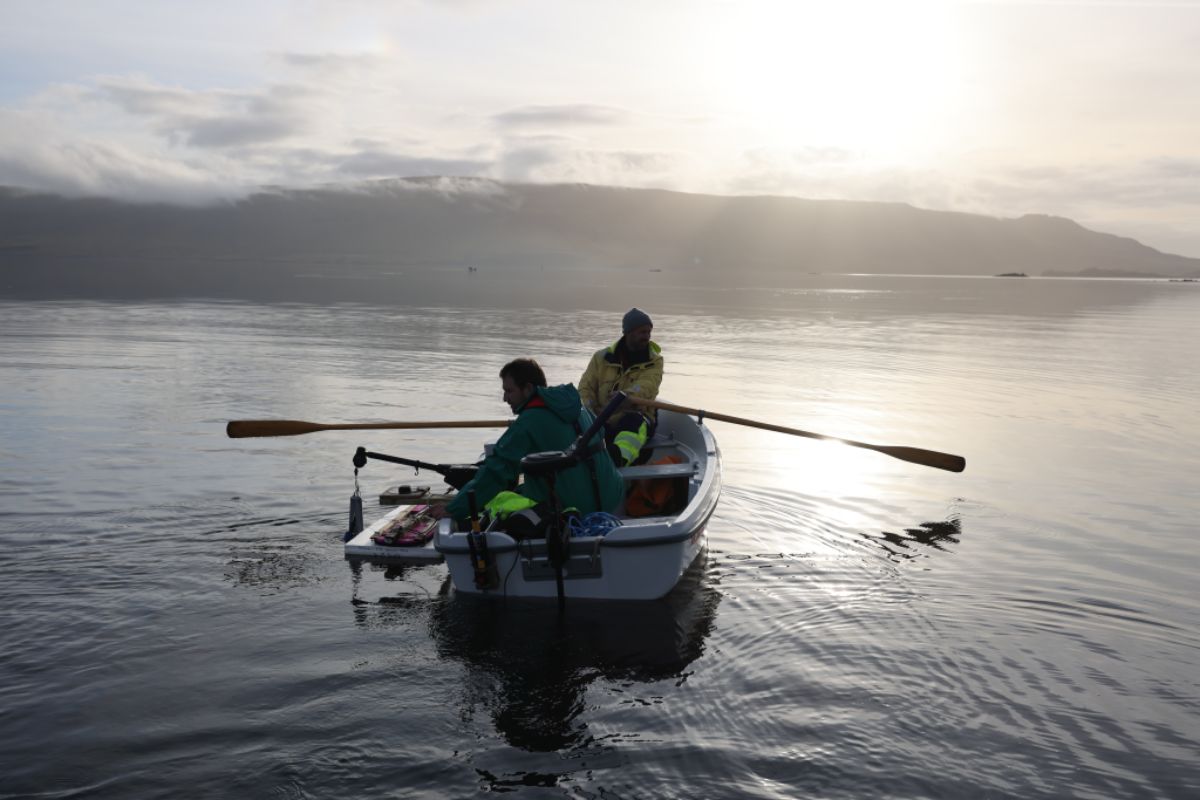
- Support from the Carbon to Sea team in planning and implementing field research.
- Better access to future funding opportunities.
- Participation in virtual collaboration forums held approximately every three months and in-person meetings held approximately once a year.
- Opportunities to publish research findings and share data openly, contributing to the development of a shared knowledge base in the field.
- Opportunities to collaborate with institutions and researchers from different regions around the world.
- For researchers conducting field projects, the network provides opportunities to compare results across different sites and exchange data, expertise, and research standards.